ages 4.5 to 6River
Jr/Sr Kindergarten
Your child is active and curious. Here, they’re outside four times a day, for more than two hours, learning to take up space and try new things.
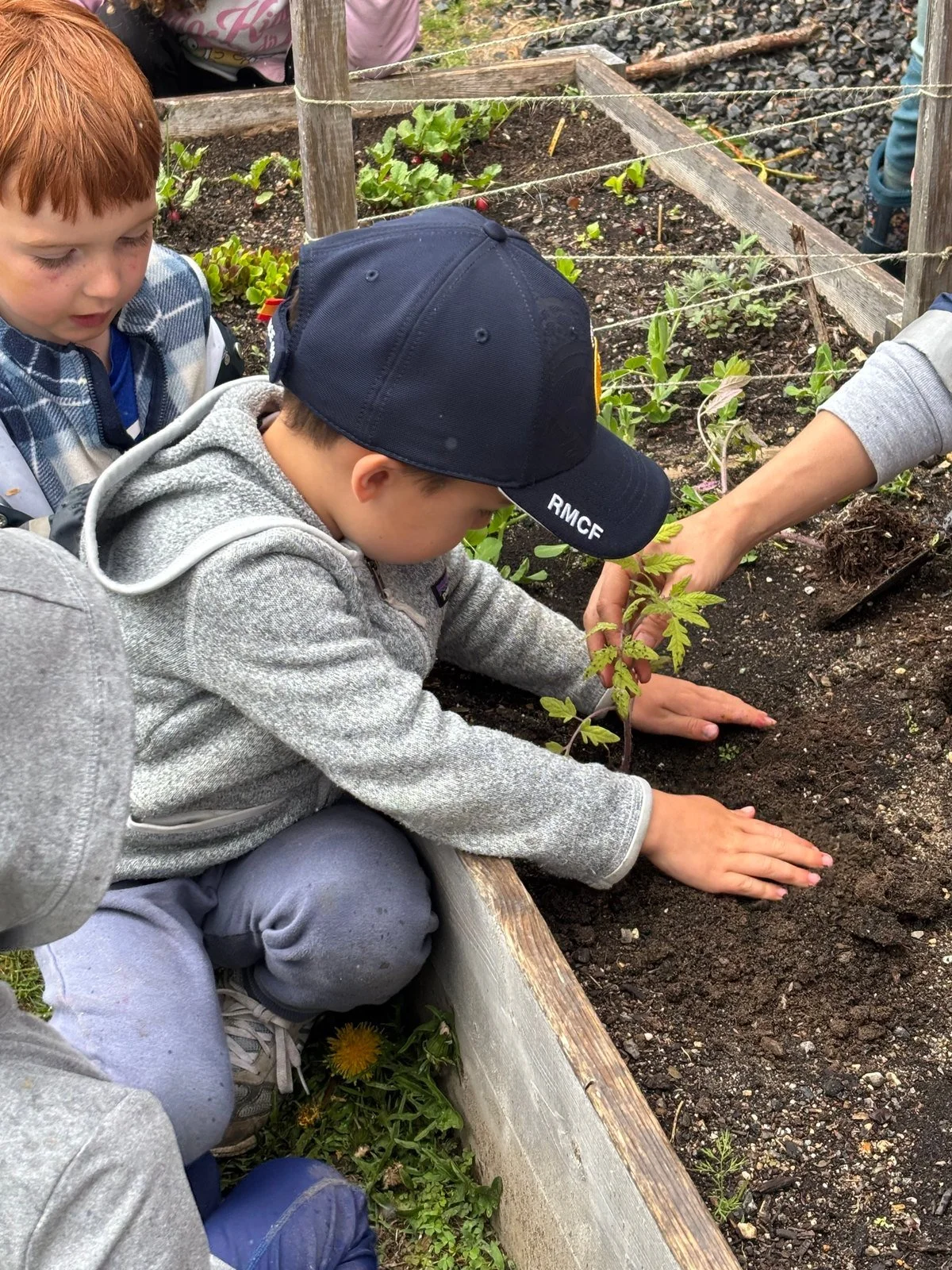

did you know?The average kindergartner gets just 20 to 30 minutes of outdoor time a day.
4X
outside every day
2+ hrs
outdoors, daily
1 day
off campus, every week
what you care aboutWhat if their first year of school set them up for a lifetime of confidence?
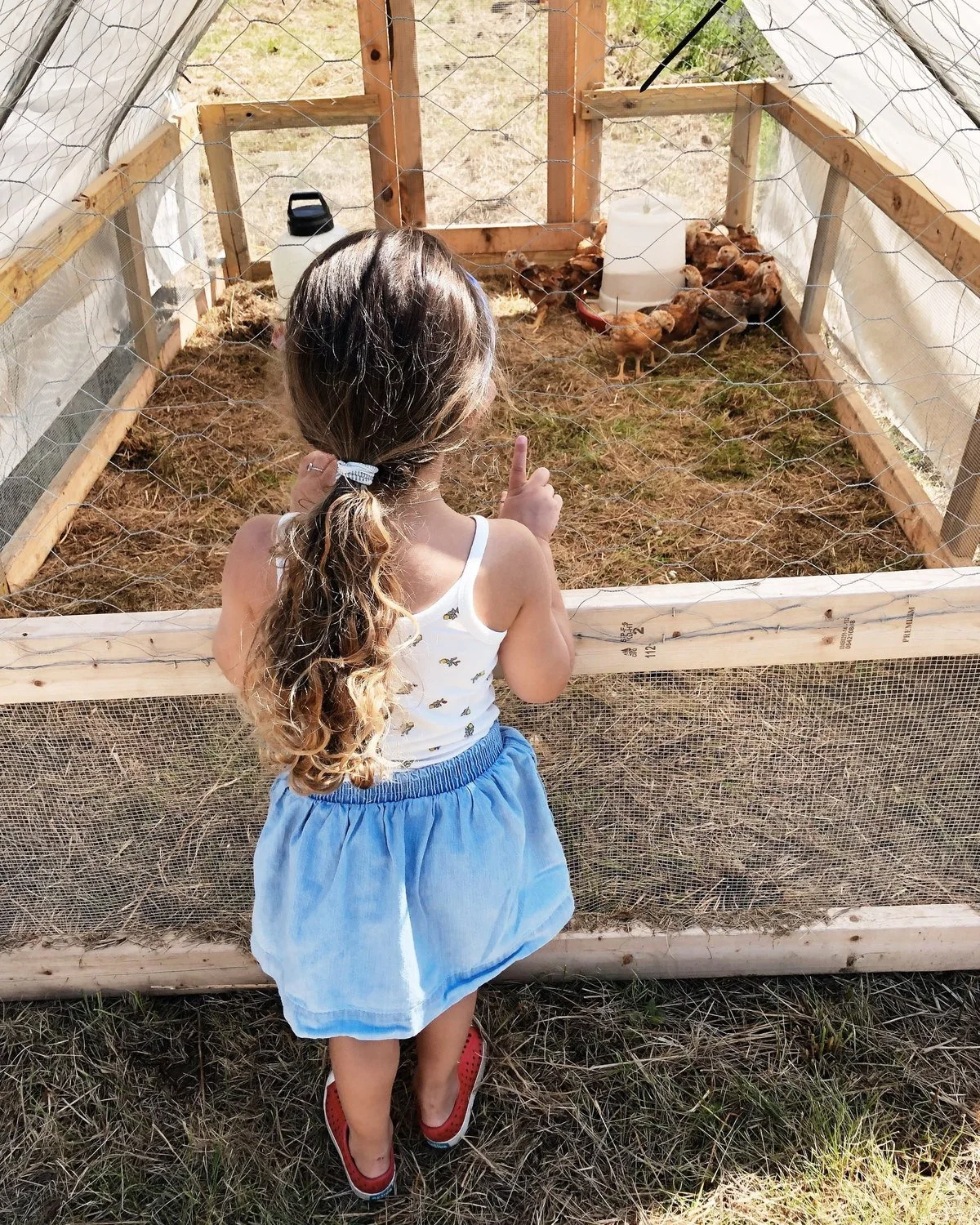

Sitting at a desk for seven hours wouldn’t be good for them. And fluorescent lights all day aren’t good for anyone.
You care that they learn to write all 26 letters of the alphabet. You also care that they learn how to regulate their emotions, express themselves, and be a good friend, in a place where they feel safe to take up space, be themselves, and try new things.
Reading, writing, and math can happen anywhere. What if Kindergarten, as part of a K–8 community, built the foundation to thrive not only academically, but socially, emotionally, and physically too?
Introducing Kindergarten at Roots.
from roots families“My son never wants to leave school at the end of the day, which is easily one of the best feelings in the world.”
Kindergarten at Roots is about curiosity and imagination. Children aren’t given an education, they are invited to experience it, by asking questions and getting their hands dirty to answer them.
Bryna · Roots parent
kindergarten at a glanceAges 4.5 to 6
Jr and Sr Kindergarten together

12 kids, 2 teachers
Every child is known

Outside 4x a day
More than two hours, every day

A full day off campus
Every single week

Mon to Fri, 8:15 to 2:55
Full days, no half-day option

No screens
In Kindergarten and grades 1–2

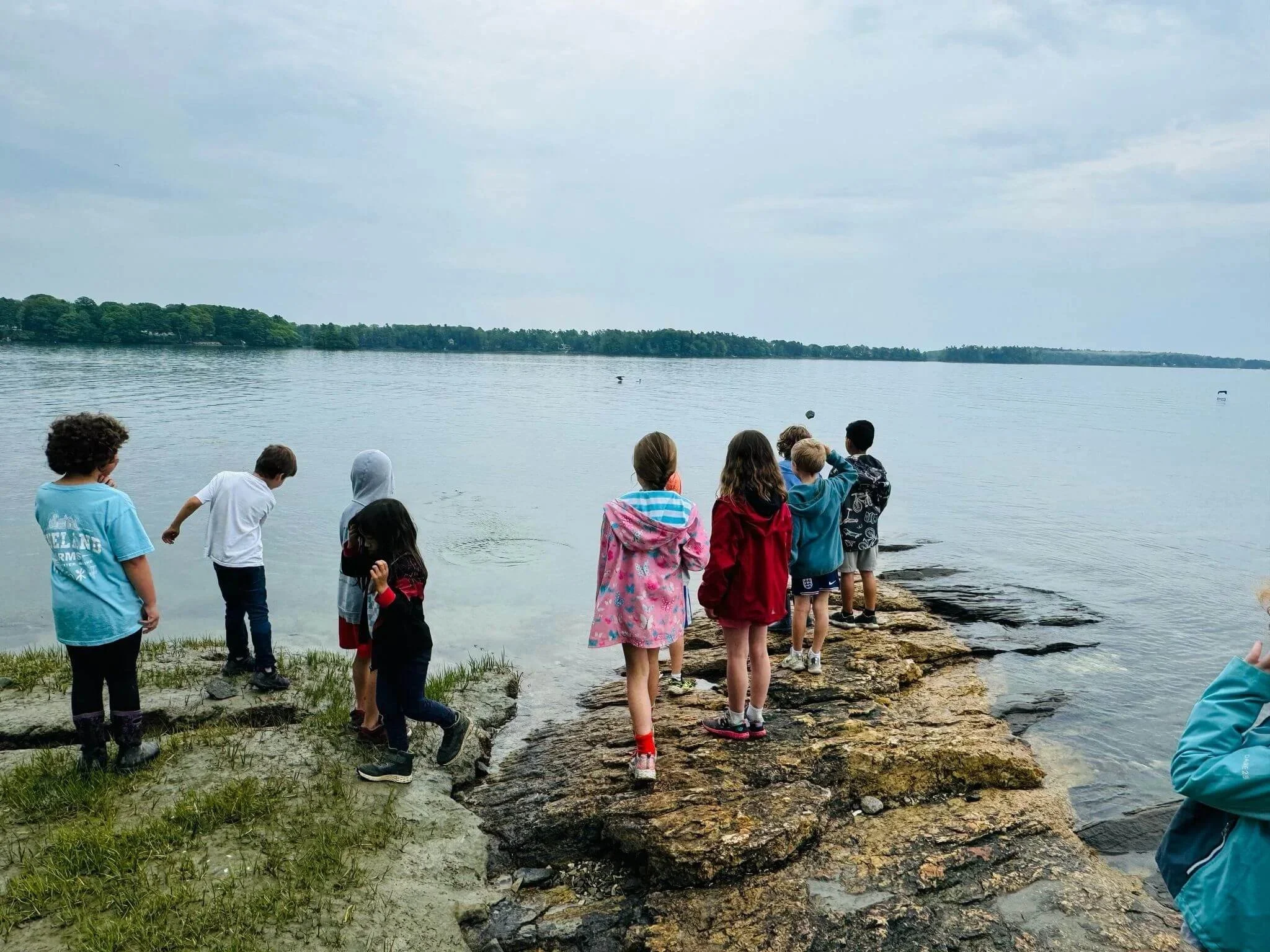

a day in the lifeImagine being 5 years old at Crescent Beach in mid-October
Fluffy gray clouds fill the sky. Your little nose feels cold from the wind.
Before making the trek, your teacher asked the class, “What do we wear when it’s cold and windy? T-shirts and shorts?”
“No! Jackets! Hats! Boots!”You feel clunky and strange as you struggle to zip up your jacket and pull your beanie over your head. Is this right? How do I walk in these? You’d rather be in your favorite sneakers, reading a book in the bean bag.
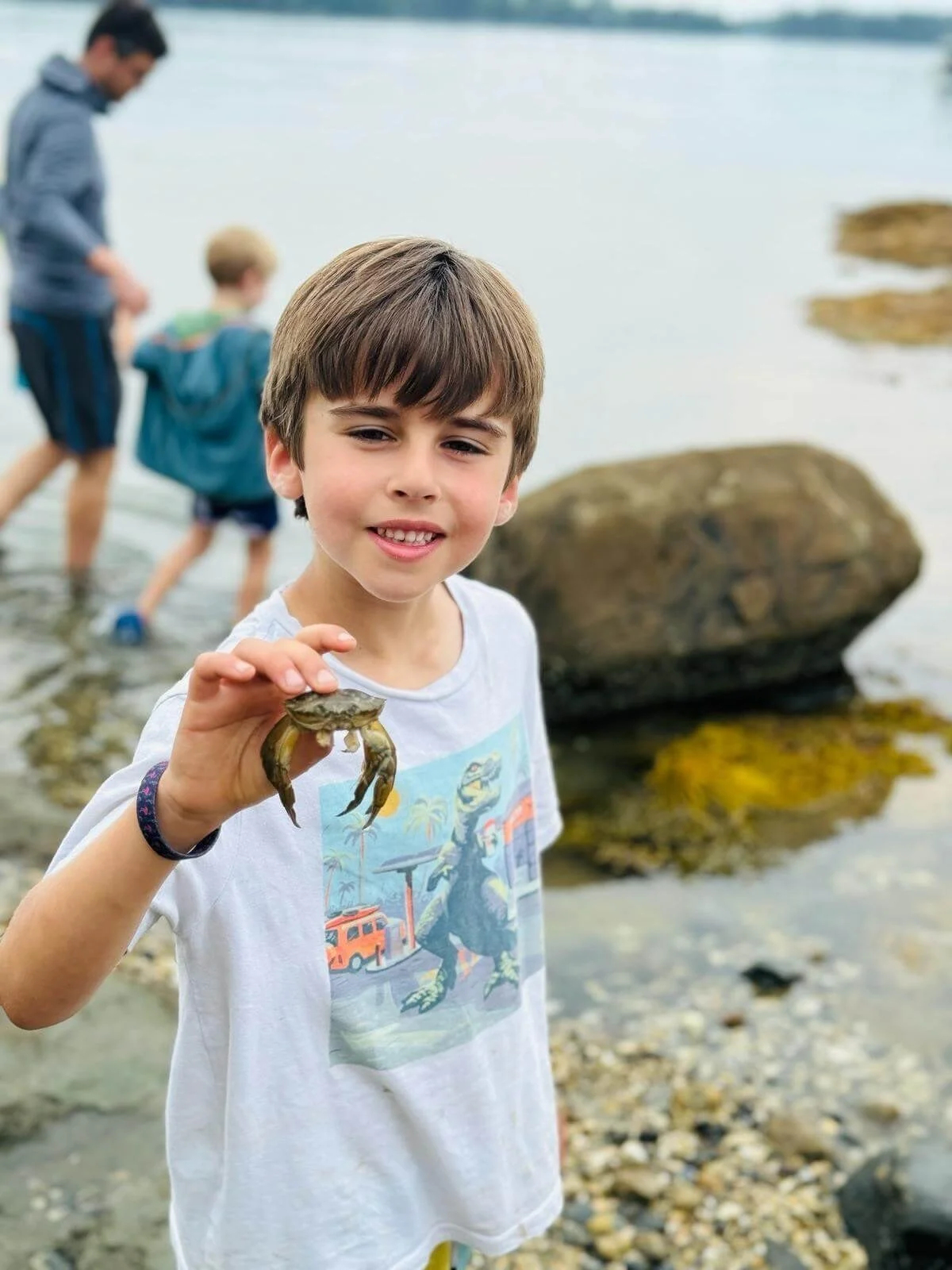
“You’ve got this! You’re figuring it out!” your teacher reminds you. Down at the beach, you watch in awe as each wave crashes along the shore. “We made it!” you shout, as a grin spreads across your rosy red cheeks.
It was uncomfortable to leave the warm classroom. But you did it.
“If I can do that, I can do anything.”
Nurture your child’s sense of wonder about the world.
Now enrolling Kindergarten for the 2027–28 school year.
why rootsWhy families choose Roots for Kindergarten
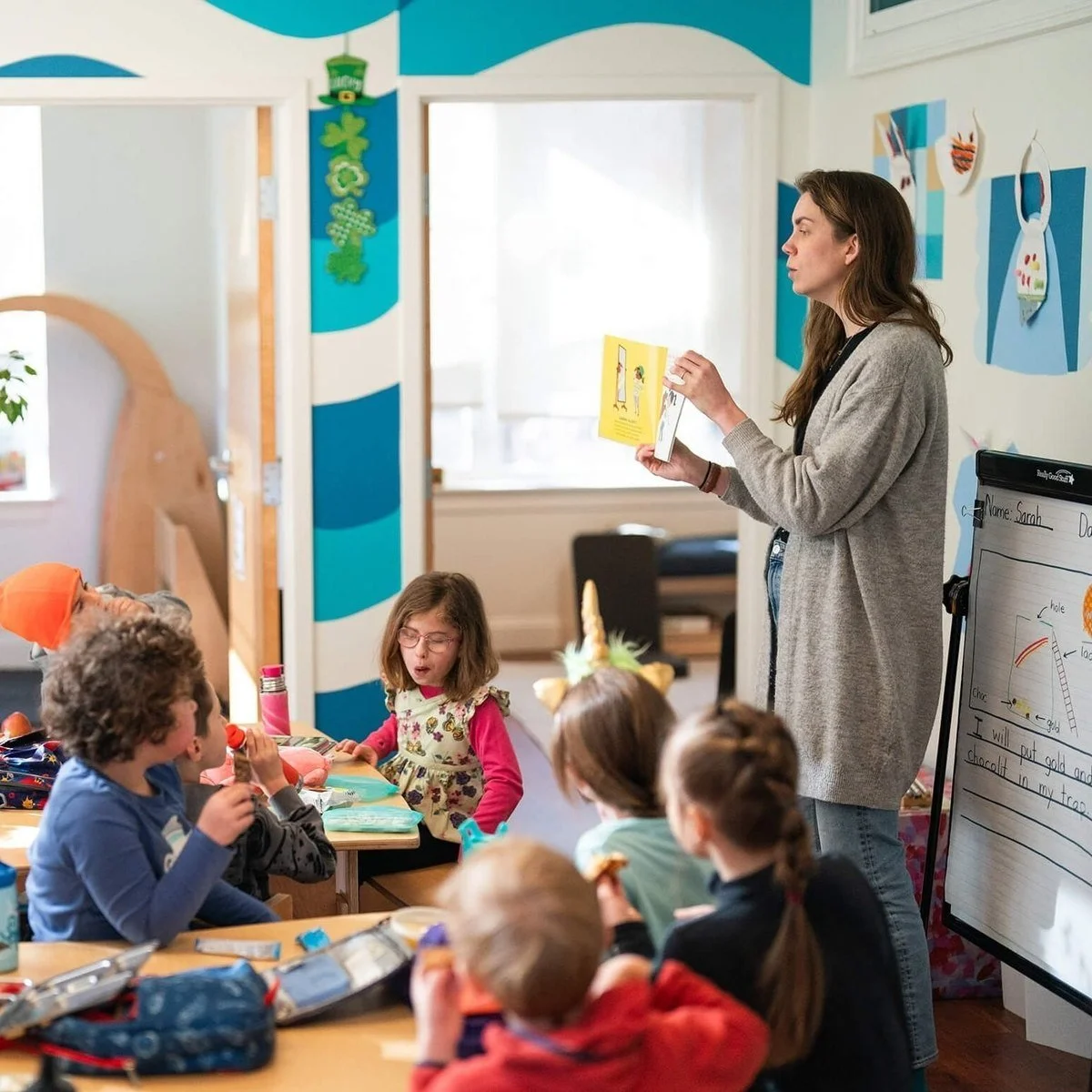

Small classes, deeply attentive teachers
With just 12 children and two teachers, every child is known. Teachers can tailor learning to each child’s readiness: more advanced reading for a strong reader, extra 1:1 time where a child needs it, room to explore art or music.
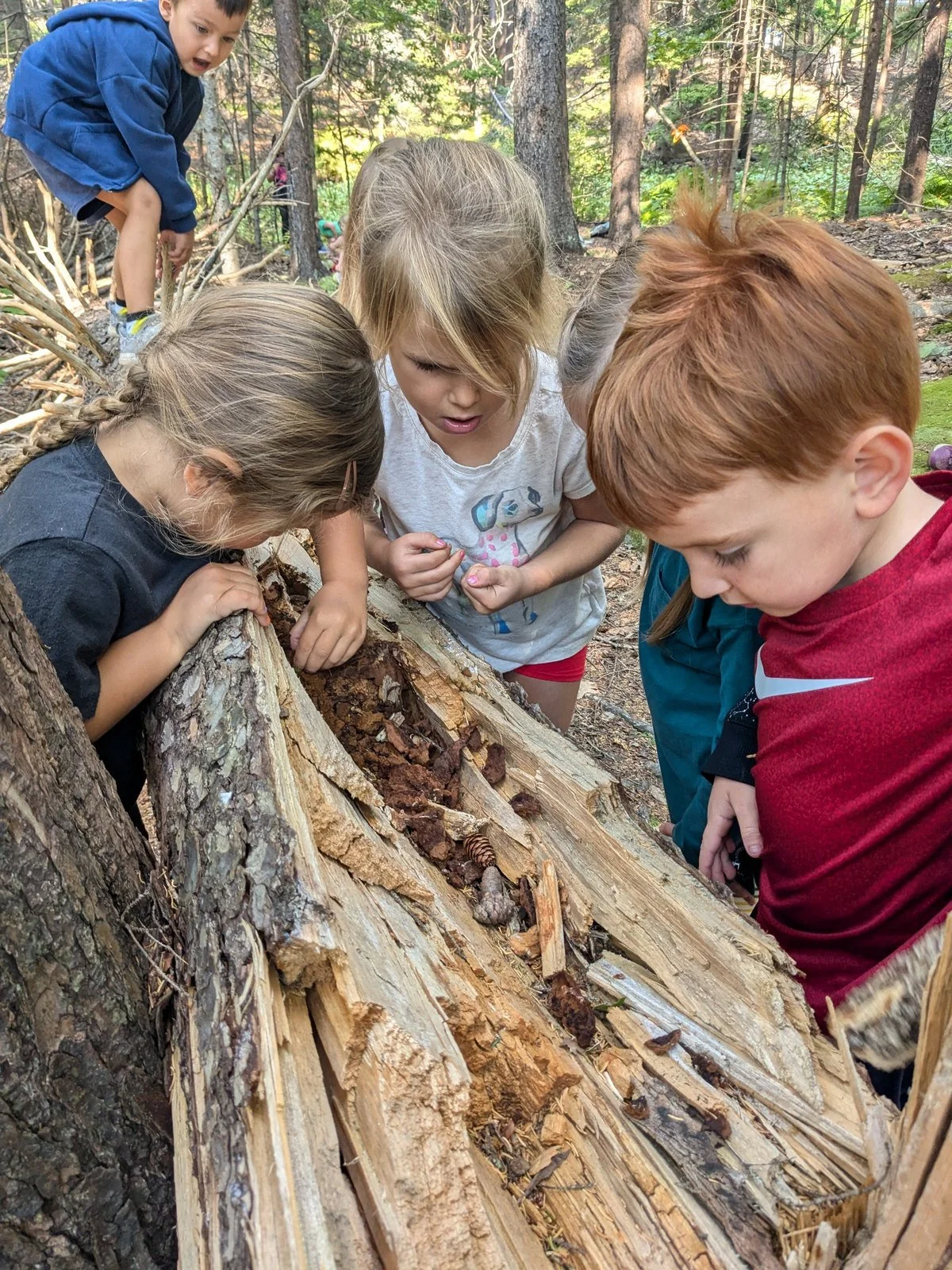

Active, hands-on learning in nature
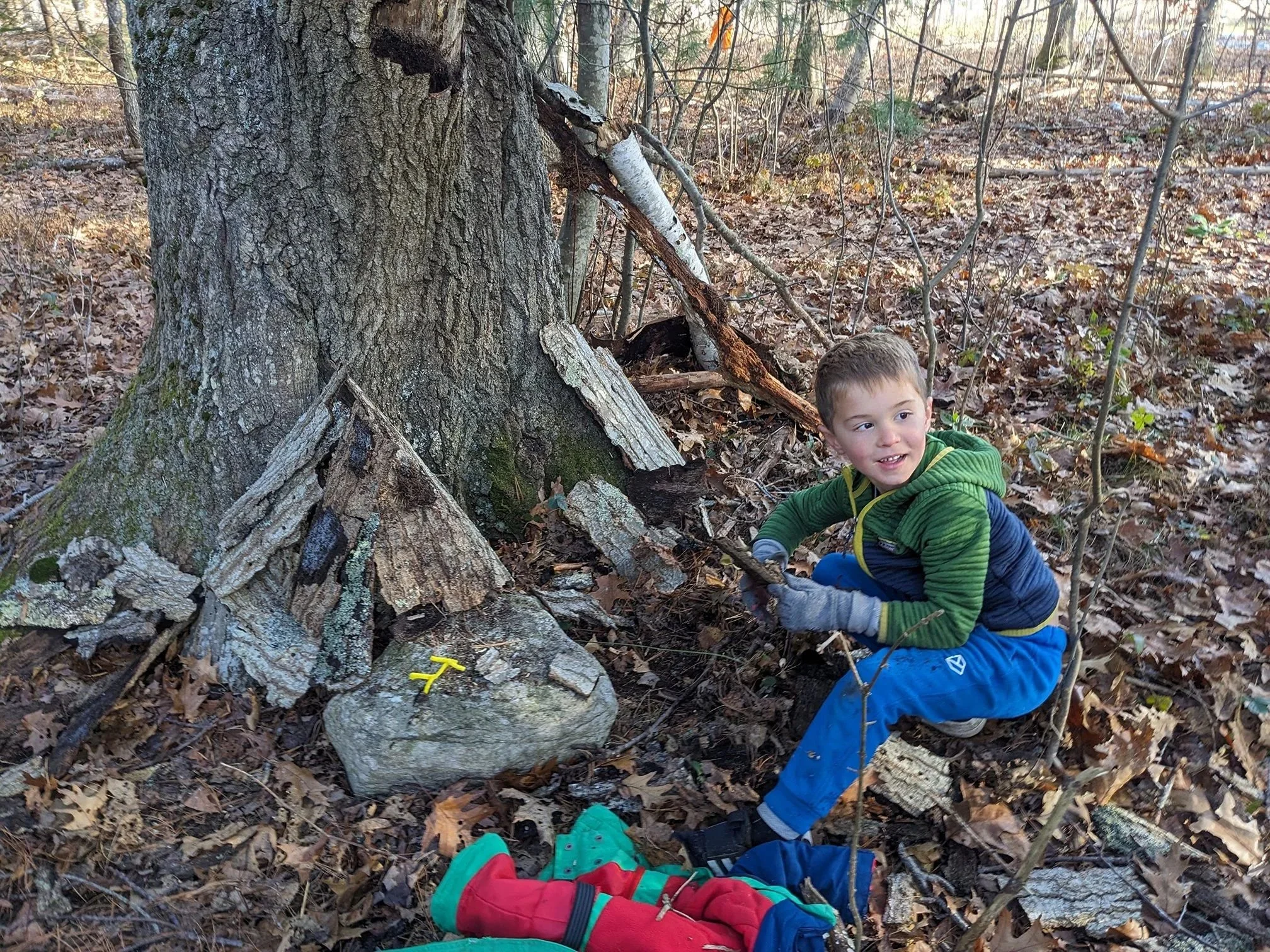
Jumping in a puddle to learn cause and effect. Spotting the tiniest mushroom with a magnifying glass. Learning to use a compass and follow trail markers. Kids ask questions, work together, and get their hands dirty finding the answers.
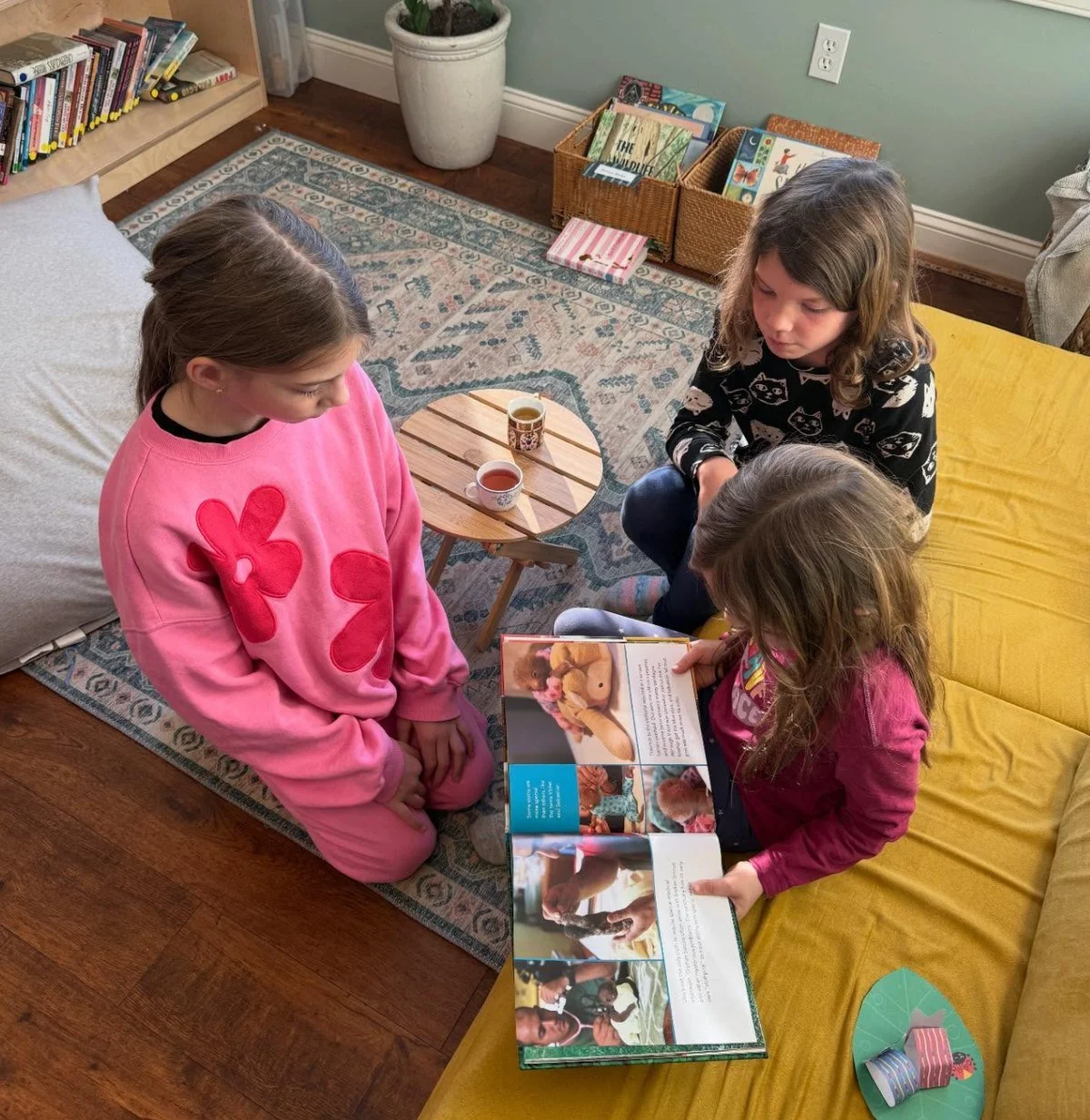
A nervous-system-first classroom
Kids learn best when they feel safe. Cozy beanbags, reading nooks, and play tents give them places to rest and reset, and teachers prepare them for every adventure before they head out, so they feel brave enough to try.
the differenceWhat a smaller, slower-paced classroom makes room for
In a larger classroom, kids…
Can become overwhelmed and overstimulated
Can struggle to name feelings and work through conflict
Can feel overlooked when one teacher is stretched across 20+ kids
Can shrink to fit in
At Roots K–8, kids…

Tuned in to their body and needs
Learn to name their feelings and work through conflict with friends
Seen and known by their teachers
Feel free to be their unique selves

from a roots parent“My daughter has never been happier.”
Whether she is exploring the forest of Maine, focusing on mindfulness, or learning with her lovely classmates, she has gone from surviving in school to thriving.
Allie · Roots parent
good questionsKindergarten FAQ
-
Yes. Roots isn't short on academics. Students build strong foundations in math, science, literature, and history alongside self-regulation, persistence, and emotional steadiness, the skills research shows actually last. That combination is what prepares them for high school and beyond.
-
We don't. Jr/Sr Kindergarten runs full days, Monday through Friday, 8:15am to 2:55pm.
-
Our school year begins after Labor Day and closely mirrors Cape Elizabeth Schools, including February and April vacation weeks.
-
No. There are no screens in Kindergarten or grades 1 and 2, and phones, smartwatches, and personal devices aren't allowed for any student on campus.
-
Roots welcomes students with many learning styles. Small classes and a regulation-first environment help many kids get the attention they need. We're not a therapeutic school and can't provide extended 1:1 support, so we look closely at fit together during the application.
Just 20 minutes south of Portland, with 3 state parks in walking distance.
2 Davis Point Ln, Cape Elizabeth, ME 04107