
our approachHere at Roots, our philosophy is simple:
Confidence grows when children are given the opportunity to face challenges and come out on the other side.
learning by doingRather than being told about the world, our students learn from experiencing the world.
Kids who learn primarily at desks:
Learn through being talked “at”
Can struggle with boredom, “Why do I need to learn this?”
Information can fade over time when there’s no real-world context
Can become overwhelmed and overstimulated without adequate movement and sunshine
Often exposed to fewer examples of what’s possible for their future
Have fewer opportunities to practice relational skills
At Roots K–8, kids…

Learn through hands-on experiences
Learning happens alongside adventure, making it fun
Kids understand how information applies to themselves and the world around them
Spend hours outside per day and learn to be in tune with their body and needs
Meet experts in our community during “field study” and gain an understanding of different career paths available to them
Learn to collaborate, notice what others need, and be a good friend
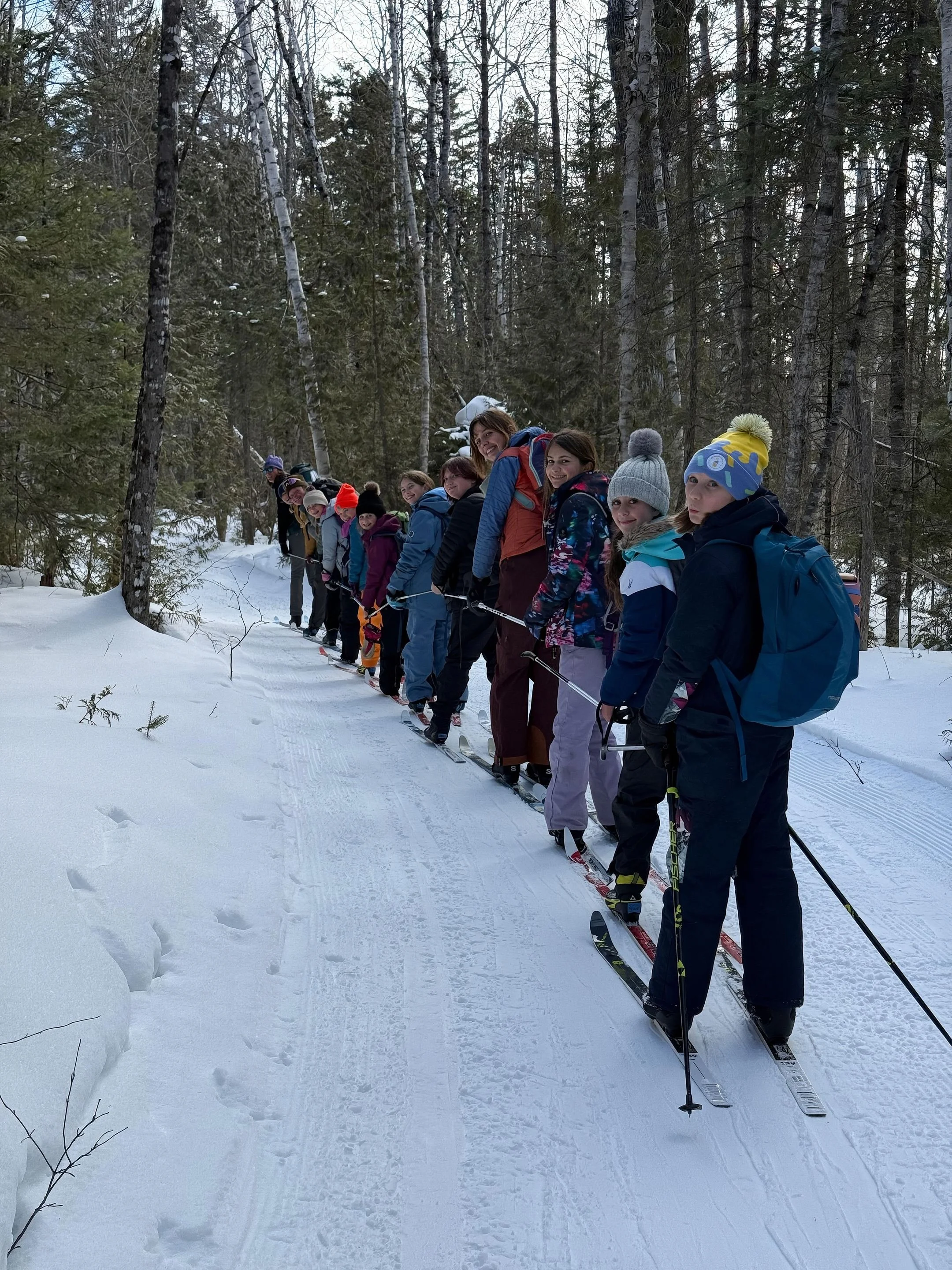

At Roots, learning goes beyond the classroom.Once per week, every Roots class spends an entire day outside.
For our youngest students, this day is about exploring, noticing, and asking questions.
As they grow, those outdoor days become “field study” days where students head out into the community with a question to investigate and return with tangible skills and real data.
field studyThese are more than “field trips.”
At Roots we know that education without real-world context leads to bored children who wonder, “Why do we have to learn this?”
When we connect kids with people in the community who are using the skills they’re learning, it turns the world into an interesting place with endless possibilities.

They can see how a scientist’s childhood interest in sea turtles led them to study marine biology.

They’re able to see how a passion for physical fitness and mindfulness can not only improve their life but also become a career.

They can see how someone’s love for baking cupcakes in their kitchen can turn into a top-rated, successful baking company.
They are opportunities to add real world context to your child’s learning and deepen their sense of connection to the shared places we call home.
Here are some of the organizations we’ve recently partnered with:
Learning that happens through a textbook fades.
Learning that happens through immersive experiences stays with them for life.
The cost of all field study is included in tuition, except the 8th grade capstone trip.
Whether they’re in the classroom, outside, or in “field study”, students are invited to be active participants of their learning.How we facilitate learning at Roots
1
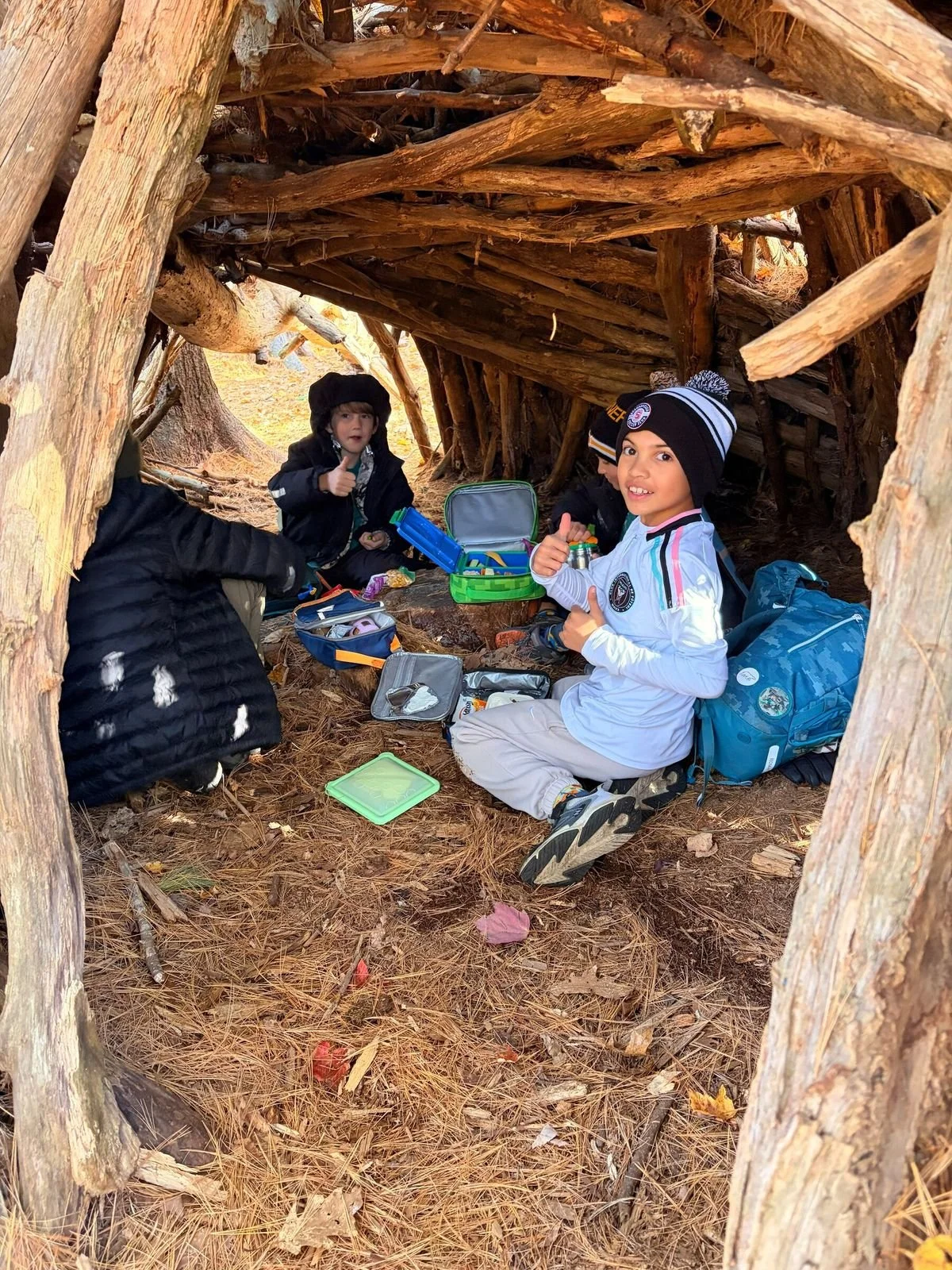
We put nervous-system regulation first.
In order for kids to learn, they need to feel safe.
A foundation of regulation is created through intentional classroom design, a daily rhythm that provides predictability, and small class sizes.
We also take steps to ensure students feel prepared before any outdoor adventure. For example, before Kindergartners go off campus, they spend 4 weeks on campus establishing routines. We explore questions such as, “How do we hang up our backpacks when we don’t have the same hooks?” and “What if we’re outside and need to use the bathroom?”
This careful preparation allows students to know they are safe and cared for. This safety allows them to access deeper learning.

2
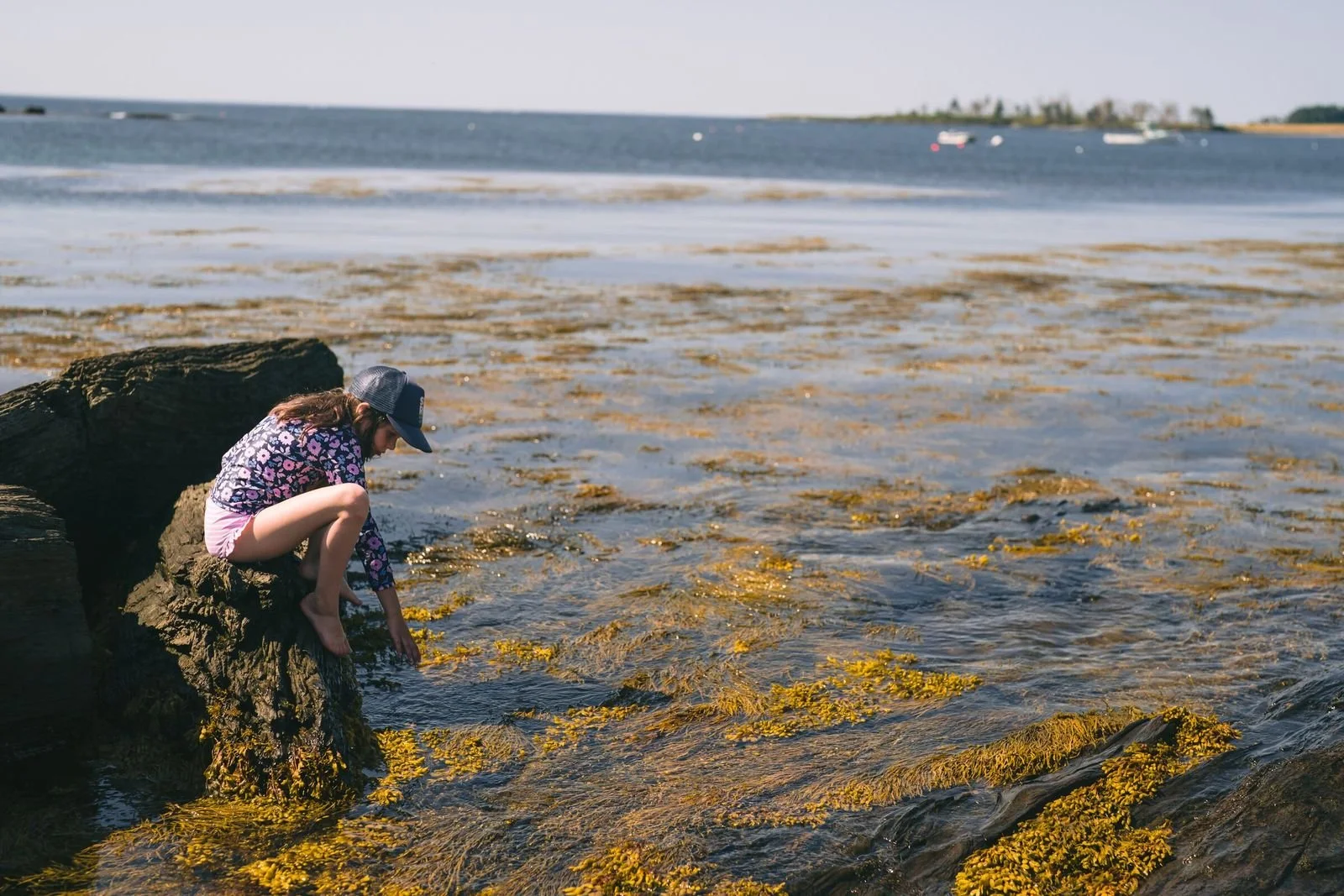
We view “discomfort” as a tool for learning.
Whether it’s not knowing how to zip up their jacket or disagreeing with a peer about how to complete a group science project, we believe discomfort is a natural part of the real world.
It is uncomfortable to be faced with a challenge and no solution, but this is precisely where the best learning occurs. Rather than providing the answer for them, we encourage students to get inquisitive about possible solutions. What happens if we try this? Or that?
Within the boundaries of safety, we encourage them to get curious, experiment, see what works, and learn from each win and fail.
What happens if we jump in a puddle instead of walking around it? How do we navigate the discomfort of eating outside when our hands are cold? How do we keep going when our legs are tired and the group isn’t stopping yet?
The goal is that discomfort produces growth, not stress that causes harm. This builds a sense of self-trust. In young adulthood, this translates to having confidence to try new things and come up with creative solutions when faced with challenges.
3
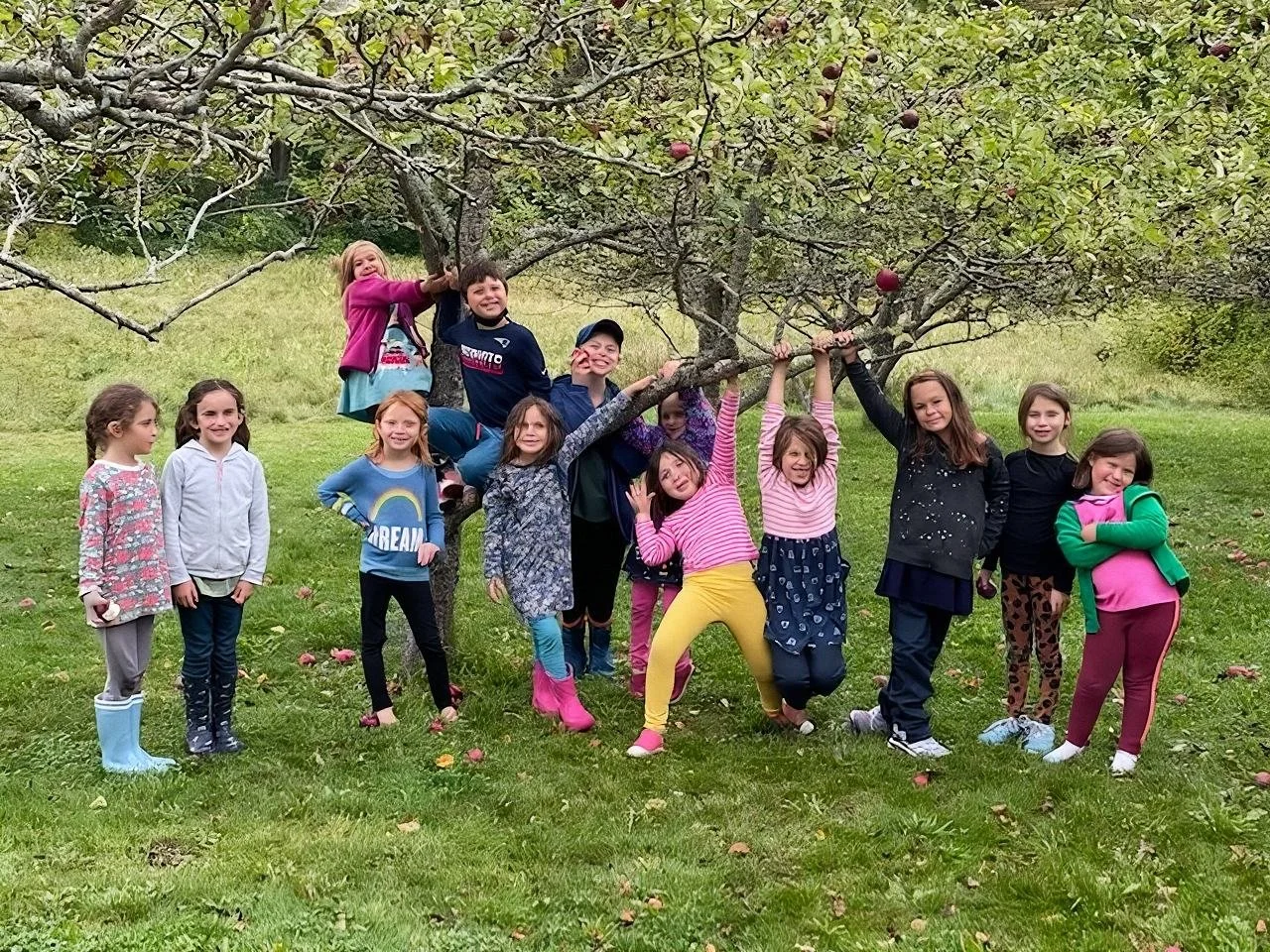
We encourage working together as a community.
The world is changing. With the internet and rise of AI, information has never been more accessible.
In 20, 30, or 50 years, we predict that those who are most likely to be successful won’t be the people who have the most academic knowledge. It’s going to be the adults with the strongest interpersonal skills. It’s going to be those who understand active listening, empathy, and collaboration.
Through mindfulness practices, our students learn to be more aware of themselves and others. Parents of Roots students report that at home, their children have a keen awareness of other children’s feelings. Whether it’s the ability to share a toy, wait their turn in line, or comfort another child when they notice they’re scared, Roots students display a sense of empathy that’s beyond their years.
Later in life, this translates into being an adult who can anticipate needs, set boundaries, have difficult conversations, and remain regulated during conflict. It also leads to being an adult who excels as a team-player, and is more likely to succeed in their career.
Rhythms & Traditions at RootsWhat makes Roots feel like home happens in the familiar moments that ground us throughout the school year.
Our weekly rhythms and yearly traditions connect students of all ages and welcome your whole family into the Roots community.
Weekly Rhythms
MON
Monday Morning Meeting
Every Monday, the whole school gathers to start the week together. We talk about our school values, share what’s happening in each classroom, and take a moment to connect before the week begins. Once per month, parents are invited to join.
TUE
Tuesday Afternoon Assembly
Every Tuesday afternoon, students of all ages come together to play and create. One week it might be a school-wide read-a-thon. Another, it might be a seasonal art project, baking, sharing a meal, or caring for our campus together. Younger students get older role models, and older students learn what it means to lead.
Yearly Traditions
-
End of Summer
Popsicles on the Playground
Students meet their teacher, explore our outdoor spaces, and get comfortable before the first day of school. -
October
Fall Festival
Our main fundraiser of the year, and like everything we do, it’s low-key and homegrown. Parents run the activities, from face painting to caricature artists, and everyone contributes to a potluck table. -
November
Harvest Festival
A celebration of everything students have discovered outdoors and in our community during the first eight weeks of school. Each classroom prepares a dish for a shared meal and a display of their learning. -
December
Winter Solstice Concert & Market
Students make handmade goods, from baked treats to art, and set up their own tables at our Solstice Market. Families and community members shop for handmade gifts. Then we all gather with warm drinks to share songs, with the forest behind us and twinkling lights overhead. -
Spring
May Day Celebration & Exhibition of Learning
We come together again to sing, celebrate, and honor our students’ growth. Students lead guided tours of their classrooms, sharing what they’ve learned in their own words. -
End-of-Year Expedition
Every class spends the year building toward a learning expedition. Kindergartners head out for a day trip, while every other class takes an overnight trip. Past expeditions have taken place in Acadia National park, Franconia Notch NH, Carrabassett Valley, and more.
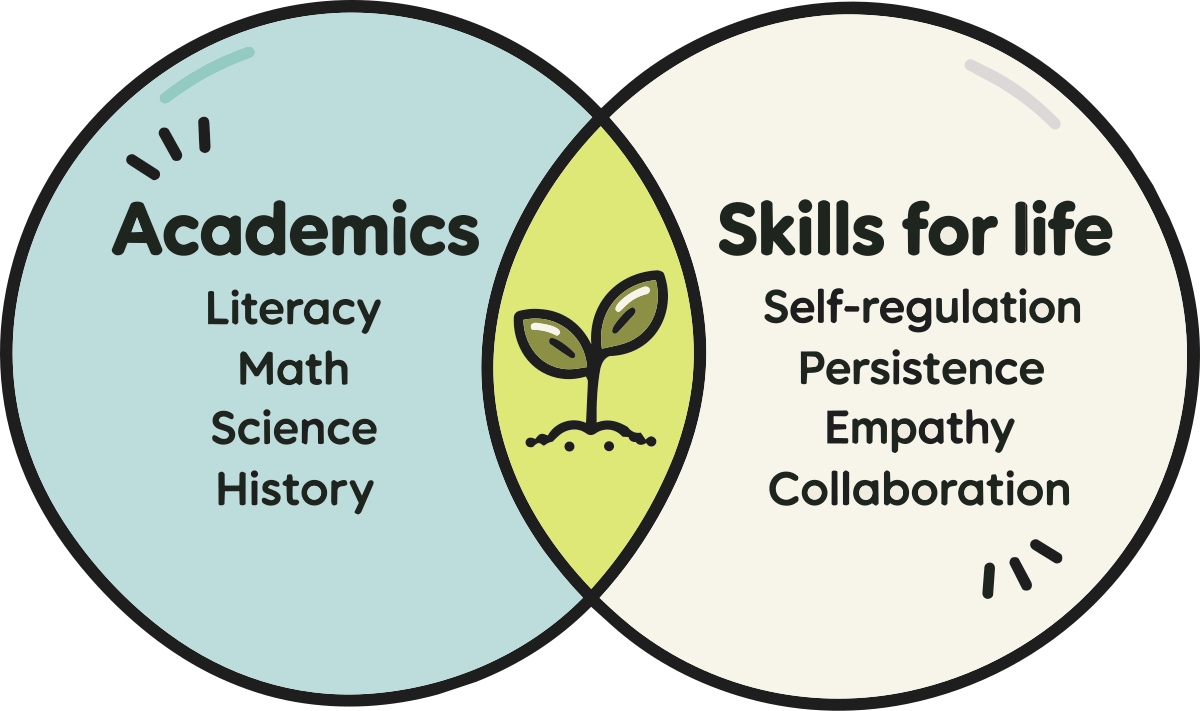
now, what about academics?“Will my child be prepared academically for high school after Roots?” The short answer is yes!
Our teaching approach may look different from a traditional school, but that doesn’t mean we skip literacy, math, or science.
Here’s what to expect when it comes to academics at Roots:
-
Yes. Our approach looks different from a traditional school, but literacy, math, and science are part of every week. At least one teacher in every classroom is a Certified Maine Teacher. Our curriculum comes from trusted sources: Math with Confidence for K–4th grade, and Math & YOU from Big Ideas Learning for 5th–8th grade.
-
A lot. Students are outside for hours every day, and every class spends one full day outside each week. For our youngest students, that day is about exploring and asking questions. As they grow, it becomes a field study day.
-
On field study days, students head into the community with a question to investigate. They learn from people who use those skills every day, like scientists, farmers, and local business owners. They come back with real skills and real data. Recent partners include the Gulf of Maine Research Center, Bigelow Labs, and Jordan’s Farm.
-
No. All field study is included in tuition.
-
We prepare them first. Before Kindergartners leave campus, they spend four weeks building routines on campus, from where to hang their backpacks to what to do if they need the bathroom outside. Small class sizes and a predictable daily rhythm help every student feel settled and ready to learn.
-
Cold hands at lunch, tired legs on a hike, a disagreement during a group project. Within the boundaries of safety, we let students work through these moments instead of solving them for them. The goal is growth, never stress that causes harm. Over time, kids learn to trust themselves.
-
Small classes let teachers see each child’s progress every day and adjust the pace as needed. We also hold three formal assessment windows in the fall, mid-year, and spring. Assessments are relaxed, one-on-one conversations instead of tests on an app or paper, so students can show what they know with less anxiety.
-
After each assessment window, we hold a parent-teacher conference, three times a year. Parents are also invited to Monday Morning Meeting once a month, and to our yearly traditions like Harvest Festival and the May Day Exhibition of Learning, where students lead tours of their own classrooms.
How we assess at Roots

Ongoing, Informal Assessment
Due to small class sizes, teachers are able to continuously monitor students’ learning and make adjustments to the pacing of the curriculum based on the needs of the classroom.
This allows children to advance in the areas they’re excelling while also receiving extra support in the areas they need it.
Three Formal Assessment Windows
Throughout the school year, we have three formal assessment windows which occur in the fall, winter/mid-year, and spring.
We wait to introduce curriculum and assessments until after students have had a chance to softly land in their classrooms and establish relationships and routines.

Steps we take to reduce testing anxiety
Unlike traditional assessments where a student is asked to respond to an app or write on paper, our assessments are done interview-style.
They are conversational and relaxed, allowing a student to demonstrate their knowledge with fewer barriers.
Parent Teacher Conferences
We hold parent-teacher conferences 2 times per year, in the fall and spring. At the end of January, you'll also get a Mid-Year Report centered on your child's day-to-day experience at Roots.
We care about having strong relationships with our parents and want to keep in open communication about what a day in the life looks like for them, where they feel most successful, what their favorite things are to do at school, and areas where they may need more support.
Build your child’s best foundation at Roots.
Our school is located just ~20 mins south of Portland, ME. With 3 state parks within walking distance, endless adventure is only steps outside our back door.
2 Davis Point Ln, Cape Elizabeth, ME 04107