grades 1 and 2Woodlands
Lower Elementary
Hands-on, human-centered learning for curious first and second graders. Math they can touch, reading that clicks, and a full day in the field every week.
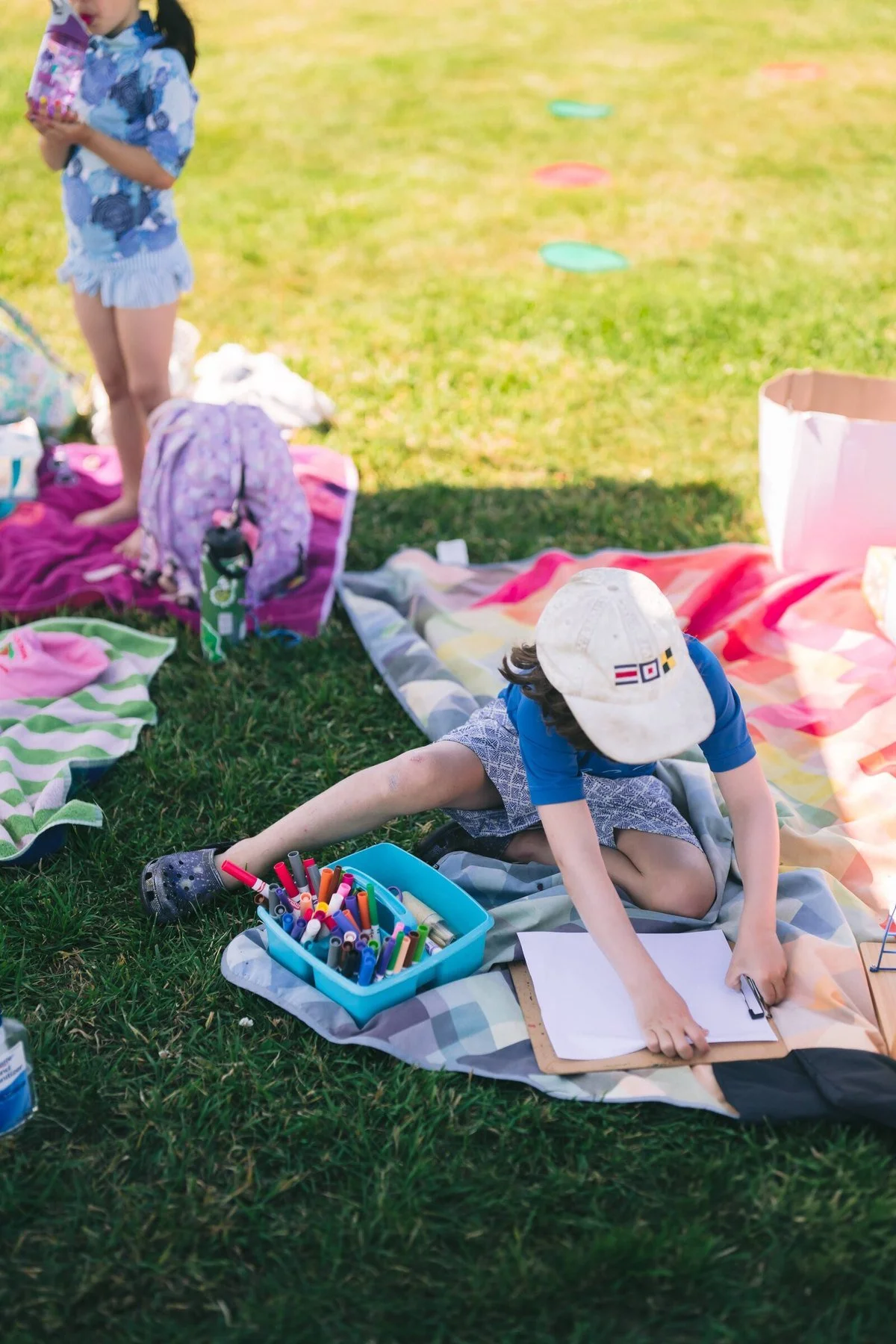

every week at rootsFirst and second graders spend more than an hour and a half outside every day, with learning built right in.
1.75+
hours outside, every day
1 day
off campus, every week
6:1
students to teachers
what you care aboutWhat if school felt as hands-on as the way they already learn?
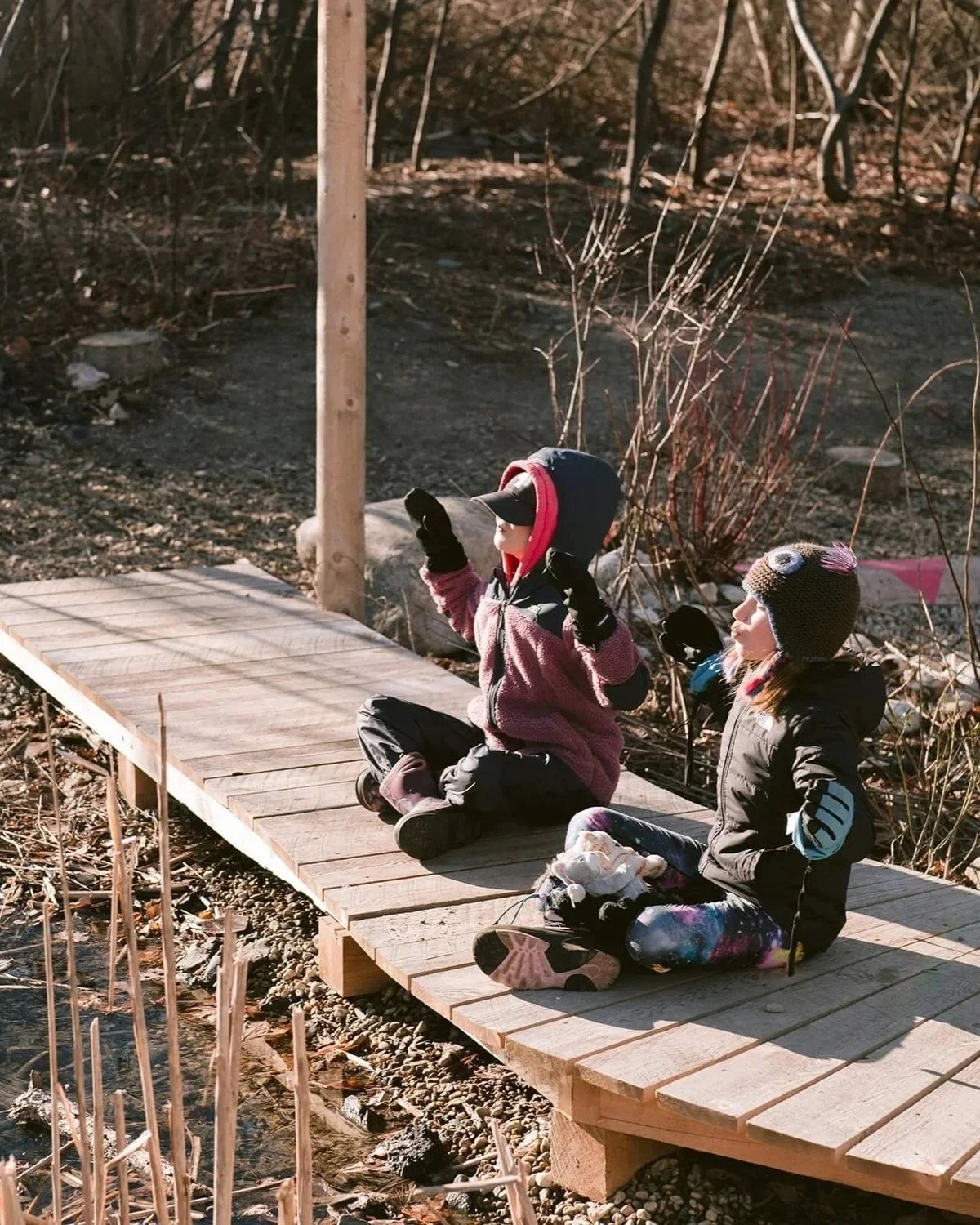
At 6 and 7, kids learn by touching, building, and asking why. Sitting still all day works against that.
At Roots, subjects connect. Math uses hands-on materials and real problems. Reading follows the science of reading, with explicit phonics and decodable books.
Kindness, compassion, and patience are taught alongside all of it, along with the practical life skills to care for their space and each other.
Introducing Lower Elementary at Roots.
from a roots parent“She now loves going to school each day.”
“Roots paid close attention to her as she transitioned into their programming. What helped her thrive? When she was struggling, what would help her through a challenge without fully excusing her from it?”
Sarah T., Roots parent of two for six years
lower elementary at a glance
Grades 1 and 2
The Woodlands classroom

12 kids, 6:1 ratio
Every child is known

Outside 1.75+ hours
More than two hours, every day

A full day off campus
Every single week

Mon to Fri, 8:15 to 2:55
Full days, no half-day option

No screens
In Kindergarten and grades 1–2

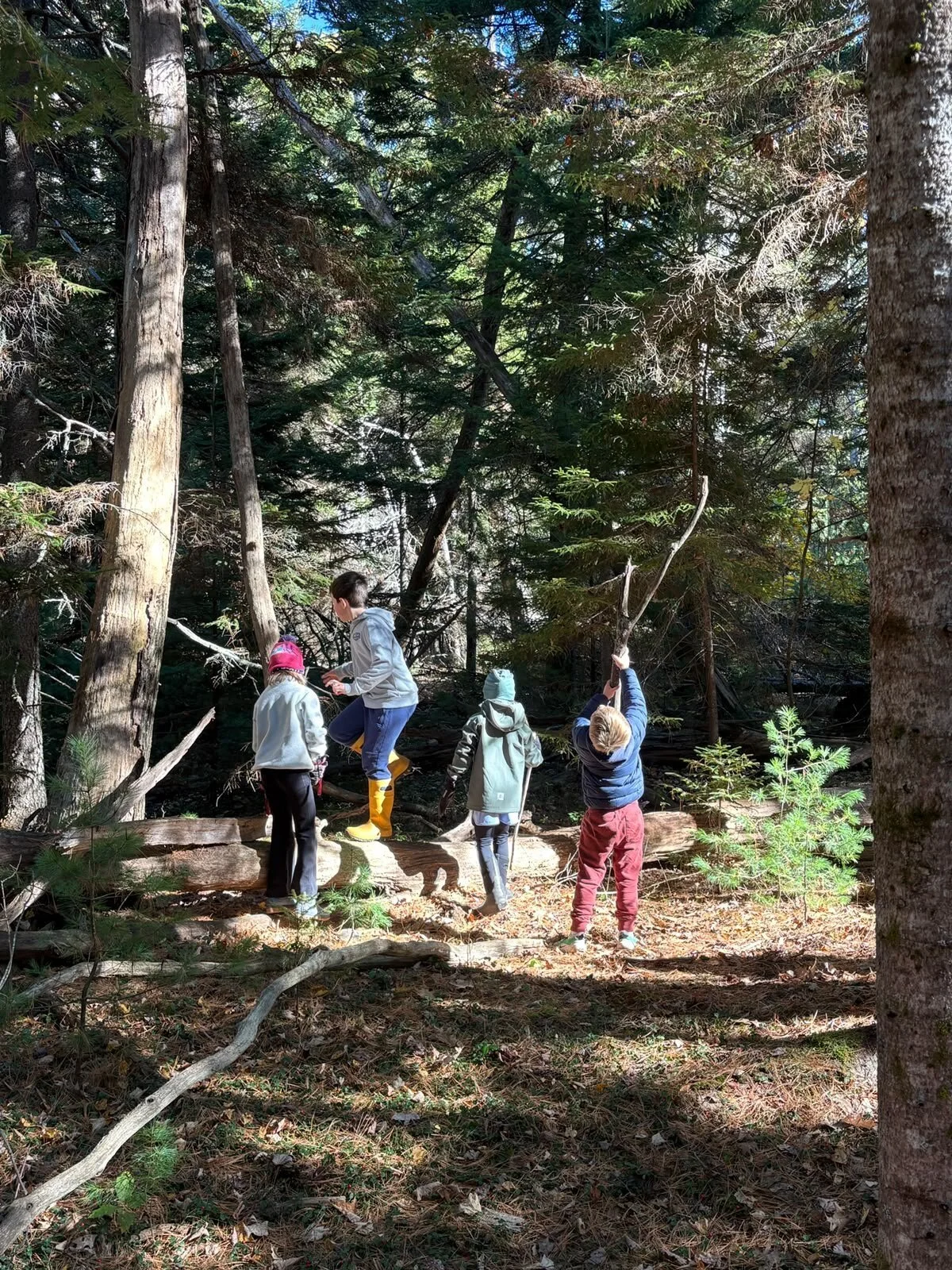

a day in the lifeEvery week, the classroom moves outside
People and Places starts with the land beneath their feet.
Every week, Lower Elementary spends a full day off campus. Some weeks that means the woods or the shoreline, other weeks a local business or the food bank.
“Who lived here first?”Their study begins with the land and the Indigenous peoples who have lived on it, then grows outward from there.You feel clunky and strange as you struggle to zip up your jacket and pull your beanie over your head. Is this right? How do I walk in these? You’d rather be in your favorite sneakers, reading a book in the bean bag.
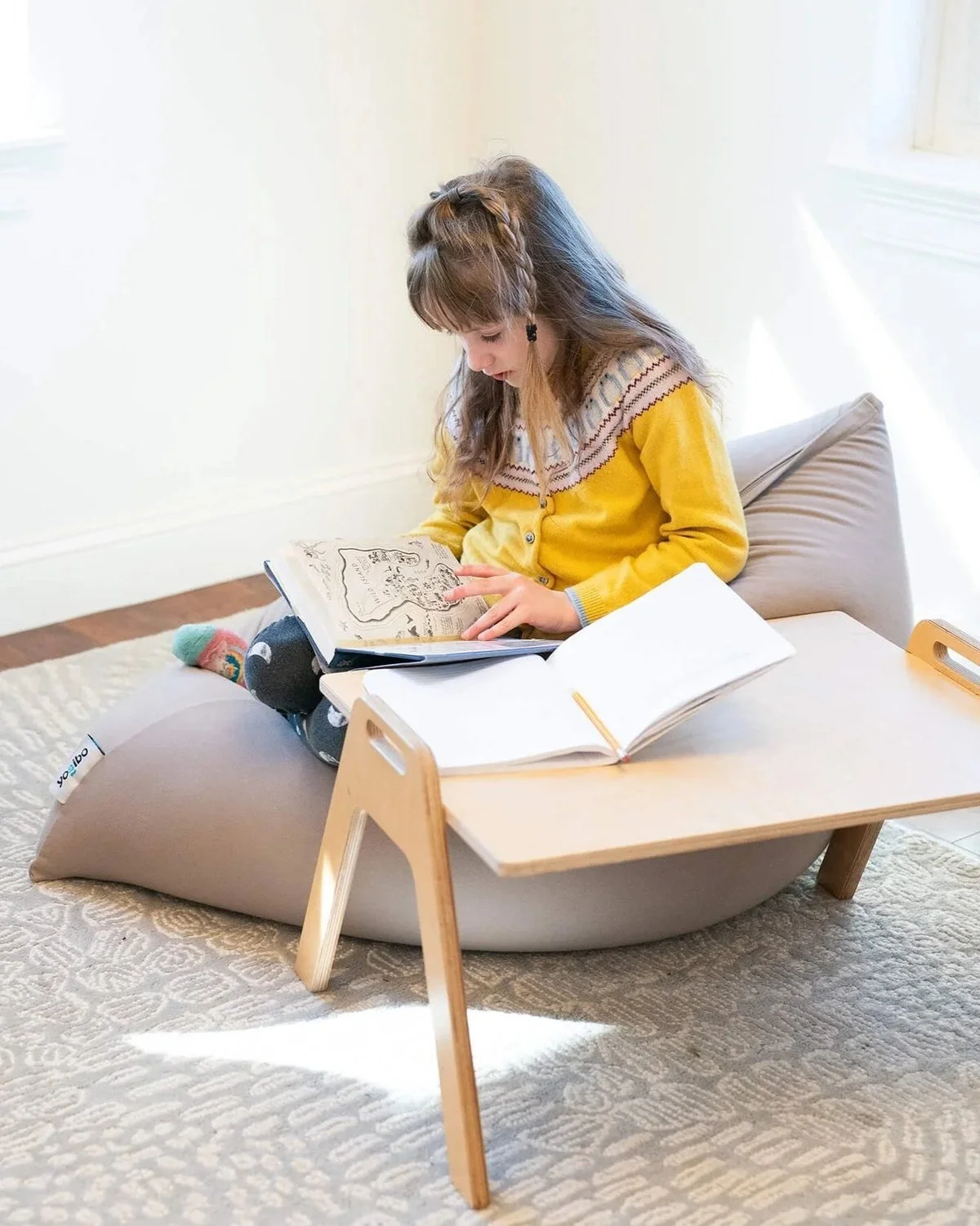
Back in the classroom, that curiosity carries into math, reading, art, and the makers space, where watercolor, clay, collage, and paper mache all have a place.
Learning starts close to home and keeps growing from there.
Learning that starts with the land.
Give their curiosity room to grow.
Now enrolling Lower Elementary for the 2027–28 school year.
why rootsWhy families choose Roots for Lower Elementary
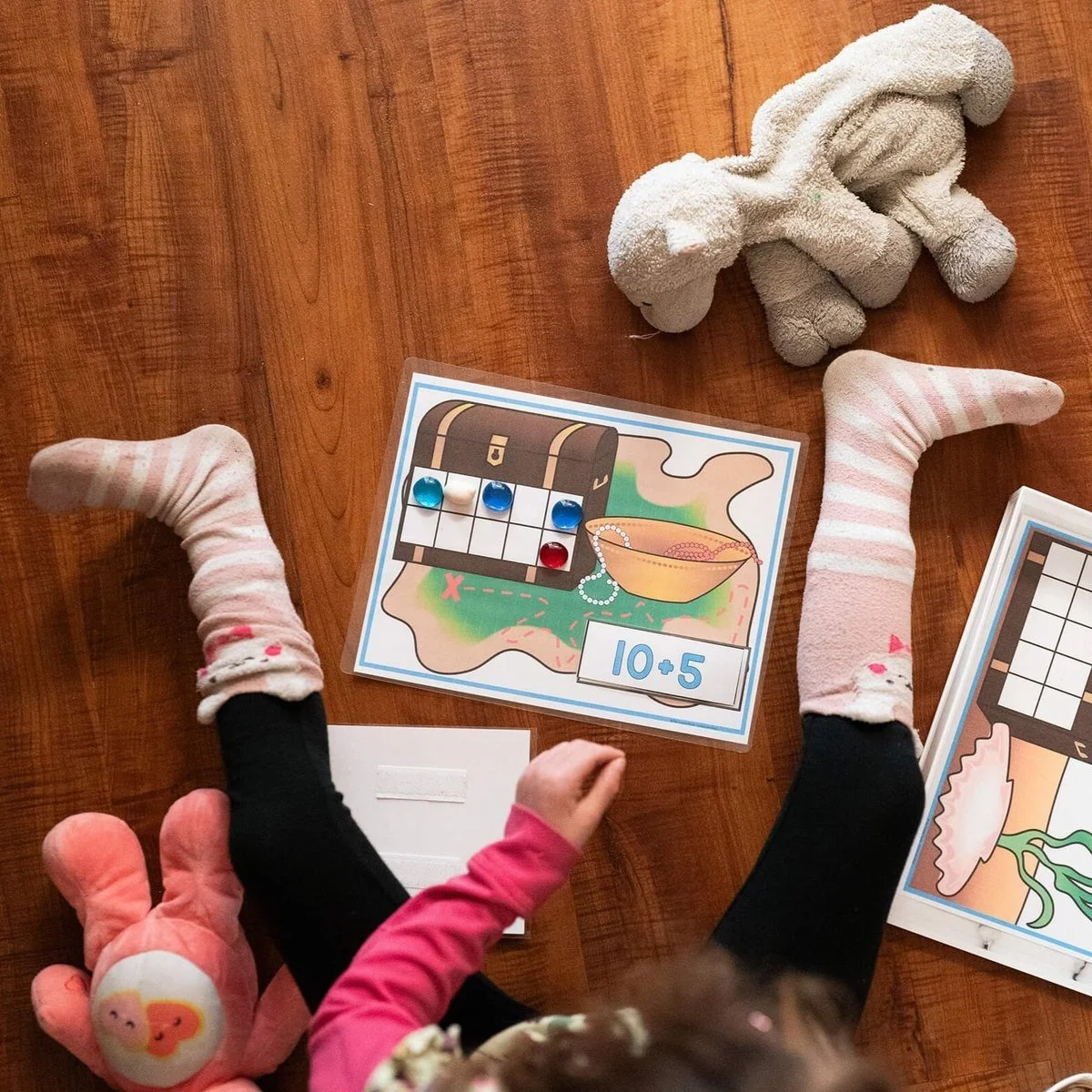

Math with Confidence
Kids build number sense with hands-on materials and short, clear lessons, so math becomes something they can figure out.
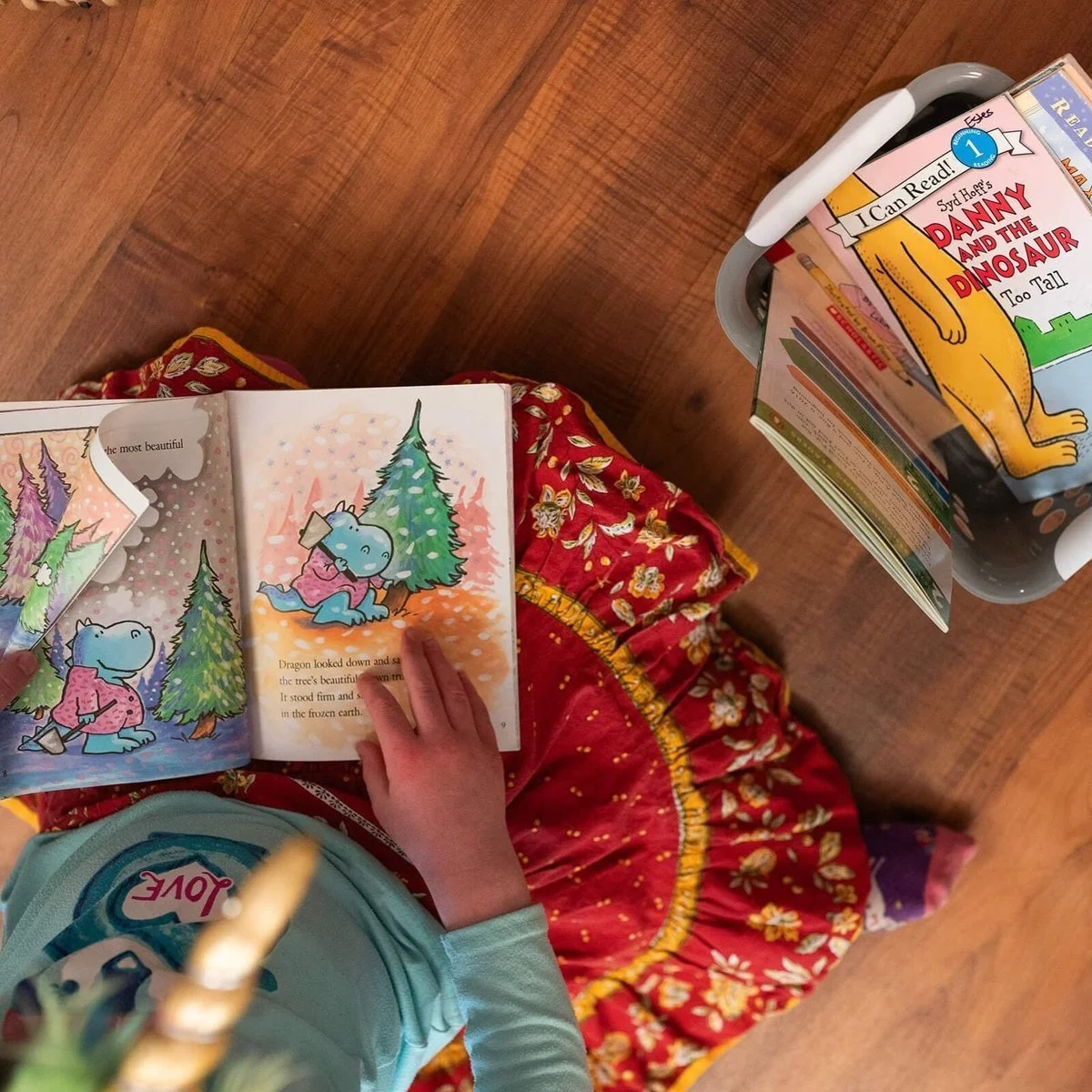

Reading that clicks
Literacy follows the science of reading, with explicit phonics, decodable books, and lots of reading out loud.
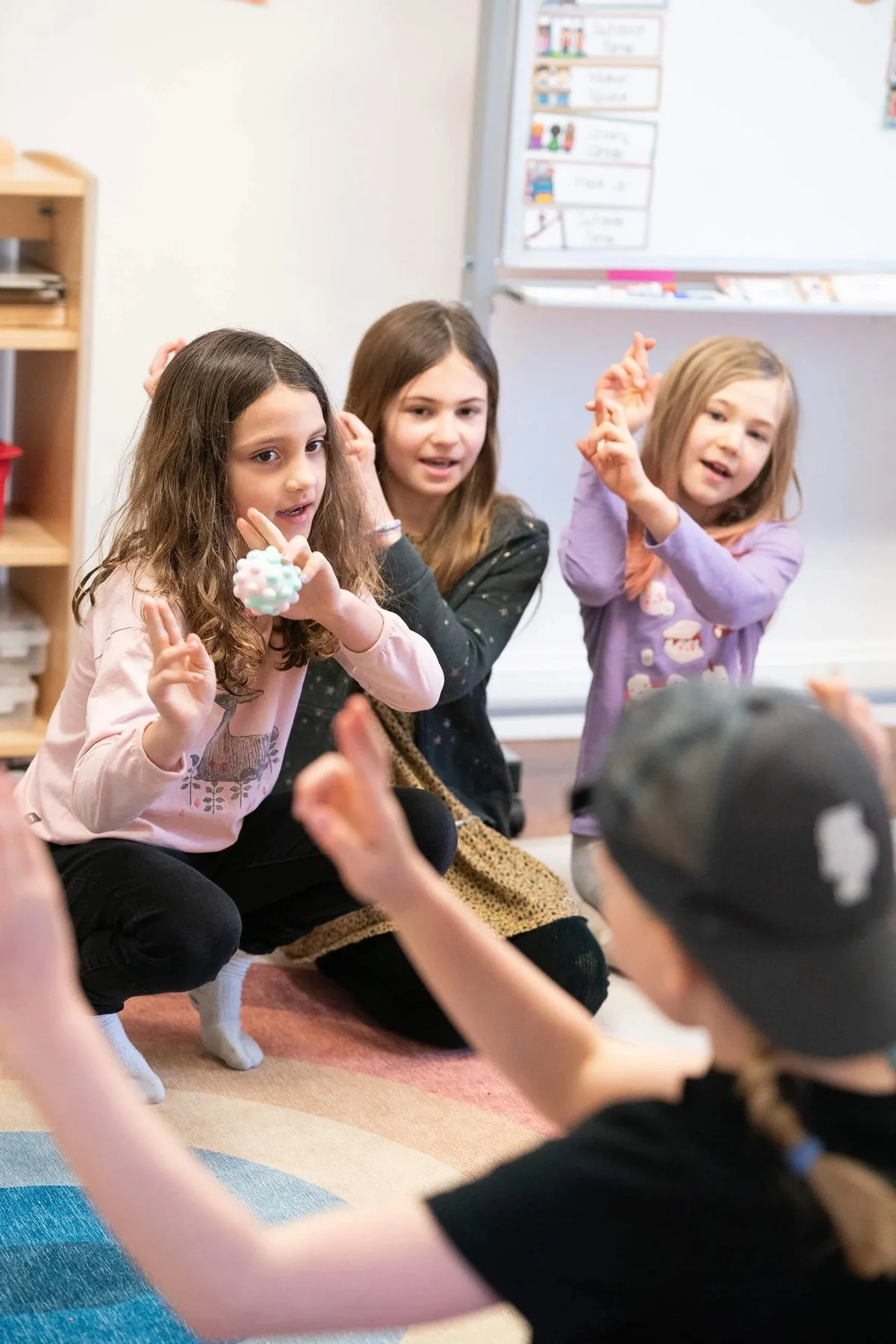

Yoga, mindfulness, and making
A daily circle, brain breaks, yoga, and time in the makers space give kids ways to reset and create.
the differenceWhat a smaller, slower-paced classroom makes room for
In a larger classroom, kids…
Can become overwhelmed and overstimulated
Can struggle to name feelings and work through conflict
Can feel overlooked when one teacher is stretched across 20+ kids
Can shrink to fit in
At Roots K–8, kids…

Tuned in to their body and needs
Learn to name their feelings and work through conflict with friends
Seen and known by their teachers
Feel free to be their unique selves
-
Math with Confidence for math, and literacy grounded in the science of reading with explicit phonics and decodable texts. Science and social studies are taught through place-based units.
-
Once a week, the Woodlands class spends a full day off campus, in the woods, on the shoreline, or with local businesses and organizations. Field days are part of the curriculum, and the cost is included in tuition. See the gear list so your child is ready for any weather.
-
No. There are no screens in Kindergarten or grades 1 and 2, and phones, smartwatches, and personal devices aren't allowed for any student on campus.
-
Our school year begins after Labor Day and closely mirrors Cape Elizabeth Schools, including February and April vacation weeks. Lower Elementary runs Monday through Friday, 8:25am to 3:05pm.
-
Roots welcomes students with many learning styles. Small classes and a regulation-first environment help many kids get the attention they need. We're not a therapeutic school and can't provide extended 1:1 support, so we look closely at fit together during the application.
good questionsLower Elementary FAQ

Just 20 minutes south of Portland, with 3 state parks in walking distance.
2 Davis Point Ln, Cape Elizabeth, ME 04107